There’s a sort of person who, upon hearing someone else speak passionately about a given subject, will respond with a certain stock phrase: “Why don’t you tell us how you really feel?” And when they do, they hit the “really” Chandler Bing-style to emphasize their point. They might smile. They might feel very satisfied for having said this.
Here is some information about that person.
That person is the worst. That person thinks it’s okay to use a cliched, straight-from-a-bad-sitcom phrase to tell you (or maybe sometimes me) not to speak your mind—or at least not to speak it in such a decisive manner. That person wants you to hedge your statements in softeners like “maybe” and “it’s possible” and may even want you to apologize before you offer your opinion, as if you didn’t get the proper permission before you talk.
It may be that you have overstepped in talking. Sometimes you get heated and your words take a tone that is inappropriate for a given situation. You may need a reminder to check yourself. That’s entirely fair. But with respect to that, here is the worst quality of the person who speaks the phrase “Why don’t you tell us how you really feel?” or some variant: They don’t actually want you to realize you’re violating some conversational rule. They want to make you feel bad, to be embarrassed for having participated. They’re trying to make you stop talking. And they’re not attempting to go about this directly or even by inventing their own turn of phrase. Instead, they pick this garbage saying—a chunk of words that verges on “Smooth move, Ex-Lax” in terms of datedness and triteness, a phrase that approaches sarcasm but somehow even falls short of even that. It’s this cowardly form of indirect communication in which this person conveys a message but hides behind words that superficially would seem to mean the opposite. It’s a reprimand form of “Gosh, it’s really hot in here” when you actually mean “Would you mind opening the windows?” but you’re not willing to actually make that request.
This is a person you should make an effort to avoid talking to them in the future.
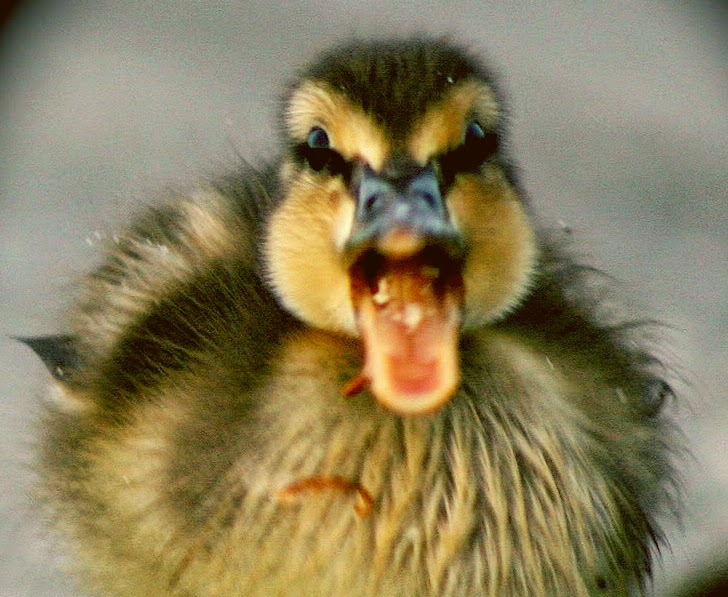
In closing, here is a picture of a baby duck sitting in a ladle.
Showing posts with label all things verbal. Show all posts
Friday, August 12, 2016
Thursday, July 30, 2015
A List of Words That Can Be Rendered Hilarious With One Errant Keystroke
I’m talking beyond public, whose comedic possibilities have already been thoroughly explored.
And yes, for most of these, I learned the hard way, and yes, the first one just yesterday.
On a related note, the adjectival form of the word pus must be avoided in written form at all costs. Also, true story: Once I typed Josie and the Pussycars in a headline. It wasn’t more obscene, strictly speaking, just more surreal in a way that made me wish pussycars were a thing.
And yes, for most of these, I learned the hard way, and yes, the first one just yesterday.
- faces
- genial
- trust
- tuckered
- named
- Scotch tape
- exotic
- wore
- ditties
- wonton
- hose
- curt
- shot
- shirt
- snitty
- shift
- trump, as a verb or a proper noun
- discount, which can be tragically but wonderfully turned into discocunt
- and of course, superheroes, which becomes the obscure but nonetheless evocative word superherpes when you type just one letter incorrectly
On a related note, the adjectival form of the word pus must be avoided in written form at all costs. Also, true story: Once I typed Josie and the Pussycars in a headline. It wasn’t more obscene, strictly speaking, just more surreal in a way that made me wish pussycars were a thing.
Read more:
all things verbal
Monday, January 12, 2015
Boops boops in a Bucket
Way back when, I made the mistake of listing off all the species I could think of whose genus names are the same as their species names. In short, their scientific name is the same word repeated: Bison bison, Chinchilla chinchilla, Iguana iguana, as well as the more exotic-sounding ones such as Bubo bubo (the Eurasian eagle-owl) and Mephitis mephitis (the striped skunk).
I call the post a mistake because it’s subsequently only given some people the opportunity to point out how I’m an idiot for omitting their favorite same-name scientific creatures. Among those I skipped were Gulo gulo — the common wolverine, which I’ve just found out is called “skunk bear” in some circles — and the sea snail Volva volva volva, which, yes, is named for exactly the reason that you’d guess. But just before the end of 2014, another double-namer was brought to my attention that seemed worthy enough for its own post.
This is that post. (And unlike some, this person pointed it out nicely.)
Yep, Boops boops, a big-eyed little fish otherwise known as the bogue. Technically, that name is pronounced “BOH-ops BOH-ops” — literally “cow eye, cow eye” — but why not better the world and just refer to this guy as “BOOPS BOOPS”? The Wikipedia page for the species even has a perfectly reasonable, scientifically accurate caption that nonetheless sounds like it the chorus of some old-timey children’s rhyme.
All hail Boops boops, your new favorite intersex Atlantic demersal and semi-pelagic feeding fish!
And if I still haven’t mentioned your favorite double-named species, please notify me without calling me an idiot.
[Touches own nose. “Boops boops!” Touches own nose. “Boops boops!”]
Amminall fun, previously:
I call the post a mistake because it’s subsequently only given some people the opportunity to point out how I’m an idiot for omitting their favorite same-name scientific creatures. Among those I skipped were Gulo gulo — the common wolverine, which I’ve just found out is called “skunk bear” in some circles — and the sea snail Volva volva volva, which, yes, is named for exactly the reason that you’d guess. But just before the end of 2014, another double-namer was brought to my attention that seemed worthy enough for its own post.
This is that post. (And unlike some, this person pointed it out nicely.)
@Inkfish @drewgmackie I'm partial to Boops boops, myself. http://t.co/K3OetF4Qtc
— Mara Grunbaum (@maragrunbaum) December 30, 2014Yep, Boops boops, a big-eyed little fish otherwise known as the bogue. Technically, that name is pronounced “BOH-ops BOH-ops” — literally “cow eye, cow eye” — but why not better the world and just refer to this guy as “BOOPS BOOPS”? The Wikipedia page for the species even has a perfectly reasonable, scientifically accurate caption that nonetheless sounds like it the chorus of some old-timey children’s rhyme.
All hail Boops boops, your new favorite intersex Atlantic demersal and semi-pelagic feeding fish!
And if I still haven’t mentioned your favorite double-named species, please notify me without calling me an idiot.
[Touches own nose. “Boops boops!” Touches own nose. “Boops boops!”]
Amminall fun, previously:
Read more:
all things verbal,
latin,
names,
weird animals
Tuesday, September 23, 2014
A Useless New Word and a Picture of a Duckling
I honestly love English. I love the breadth of its vocabulary. Dozens of synonyms exist alongside each other, but often one word can encapsulate the exact concept you have in your head. It’s messy, as far as languages go, but it’s rich — like a tangled jungle where all manner of wild things can grow. English doesn’t have the largest vocabulary of any language in the world. (As The Economist points out, that’s… just not a thing, when you think about it logically.) But it does offer some options to its speakers, and I’m proud to specialize in the language that affords speakers not just purple and violet but also indigo and magenta and mauve and lavender and freaking palatinate.
Still, sometimes it fails us. There are the autoantonyms. On the subject of color, there’s sinople, a word that basically no one ever uses but can refer to either red or green, depending on the context. There’s shelled, as in shelled pistachios, which you think would work in a straightforward fashion but I found does not, necessarily, when I asked a clerk at Trader Joe’s about them.
And then there’s the trouble with describing time. It’s maybe one of English’s greatest failings, simply because we need to describe yet-to-occur events quite often, and English sucks at it. Biannual is probably the biggest offender, simply because an event could just as likely occur every two years as it could twice a year. Because biannual can mean either, you can almost never be sure in the context of any sentence which meaning was intended. Bimonthly can mean either twice a month or every two months, and I suppose events could occur on either schedule. You’d think that biweekly wouldn’t post such a problem, since we can’t evenly divide our seven-day week and therefore events would be less likely to occur twice a week, but no. When I ran the opinion desk at the college paper and hire regular columnists, I had to ban the word biweekly from all the ad copy, just because every single applicant asked whether they’d need to write two columns a week or one column every two weeks. The modified copy read every two weeks, even thought that’s less succinct. (Fortnightly was rejected on grounds of sounding affected and quaint.)
This is the ambiguity that people are attempting to solve with oxt, an invented word that means “not this coming one but the next one,” as in “We’ll kill them this weekend and then bury the bodies oxt weekend.” Despite having its own promotional website, I’m guessing oxt will go the way of Esperanto and the interrobang, even if it does solve a longstanding problem has resulted in too many people being all dressed up with nowhere to go.
And it’s with all this that I present a strange and wonderful word — the first new one in about a year.
As useless as hebdomadal may be, a related word could actually solve the biweekly ambiguity. If oxt is being dangled out there, then hell, why not dekatesseral?
“We’d need columns from you on a dekatesseral basis, and if you can’t figure out what that means, we don’t want you.”
I suppose that might discriminate against the non-Greek applicants. So it goes.
And here, as promised, is that picture of the duck.
Still, sometimes it fails us. There are the autoantonyms. On the subject of color, there’s sinople, a word that basically no one ever uses but can refer to either red or green, depending on the context. There’s shelled, as in shelled pistachios, which you think would work in a straightforward fashion but I found does not, necessarily, when I asked a clerk at Trader Joe’s about them.
Him: Shelled pistachios? Like, pistachios with their shells on?It’s not confusing to most people, but when you approach the expression shelled pistachio like you’d never heard it before and instead along the lines of a clothed person or a covered bridge, yeah, it seems counterintuitive. (And yes, the Trader Joe’s clerk must have been new.)
Me: No. Shelled pistachios as in pistachios that have their shells removed.
Him: So they’re shelled if they don’t have their shells on?
Me: Yes, they’ve been shelled.
Him: That’s confusing.
And then there’s the trouble with describing time. It’s maybe one of English’s greatest failings, simply because we need to describe yet-to-occur events quite often, and English sucks at it. Biannual is probably the biggest offender, simply because an event could just as likely occur every two years as it could twice a year. Because biannual can mean either, you can almost never be sure in the context of any sentence which meaning was intended. Bimonthly can mean either twice a month or every two months, and I suppose events could occur on either schedule. You’d think that biweekly wouldn’t post such a problem, since we can’t evenly divide our seven-day week and therefore events would be less likely to occur twice a week, but no. When I ran the opinion desk at the college paper and hire regular columnists, I had to ban the word biweekly from all the ad copy, just because every single applicant asked whether they’d need to write two columns a week or one column every two weeks. The modified copy read every two weeks, even thought that’s less succinct. (Fortnightly was rejected on grounds of sounding affected and quaint.)
This is the ambiguity that people are attempting to solve with oxt, an invented word that means “not this coming one but the next one,” as in “We’ll kill them this weekend and then bury the bodies oxt weekend.” Despite having its own promotional website, I’m guessing oxt will go the way of Esperanto and the interrobang, even if it does solve a longstanding problem has resulted in too many people being all dressed up with nowhere to go.
And it’s with all this that I present a strange and wonderful word — the first new one in about a year.
hebdomadal (heb-DOM-uh-dul) — adjective: 1. taking place once every seven days. 2. a weekly magazine, newspaper or other publication.Like I described it in the post title, it’s useless. Most people won’t know what hebdomadal means, and besides we already have the word weekly, which may be one of the English words that doesn’t benefit from a synonym. In fact, the Etymonline entry for hebdomadally calls it “pedantic humor.” But in its favor is the fact that this word — which comes from the Greek hebdomas, “the number seven; a period of seven days” — is perfectly exact. It will only ever refer to something that happens every seven days.
As useless as hebdomadal may be, a related word could actually solve the biweekly ambiguity. If oxt is being dangled out there, then hell, why not dekatesseral?
“We’d need columns from you on a dekatesseral basis, and if you can’t figure out what that means, we don’t want you.”
I suppose that might discriminate against the non-Greek applicants. So it goes.
And here, as promised, is that picture of the duck.
Previous words of the week after the jump.
Read more:
all things verbal,
strange and wonderful words
Friday, May 2, 2014
Li'l Mr. Wrinkles
An appalling fact about dogs, learned today.
![]() |
| by flickr user panikk, under a creative commons license. |
— do you know what the owners of shar pei puppies call their dogs in online forums?And yes, there does, in fact, seem to be some use of this monstrous term online, as if these creased masses didn't have enough working against them.
they have a specific portmantau they use
— sharpuppies? sharpies? peipies? peipeis? raisinettes? puppeis? sharpupplepies?
— "shar peibies"
— … all of mine are better
— fact. you should carpet bomb the forums
— shardines?
Read more:
all things verbal,
dogs,
names
Sunday, April 27, 2014
The Swinging Doors of Death
My big conclusion? People underplay the implications of suicide when they talk about suicide doors.
It’s the kind of immediately Google-able question you’d normally have while alone in the car, but fortunately it occurred to me while I had a navigator present, and so we searched out the origin of the phrase “suicide doors” in order to figure out what about these doors was so inherently self-life-ending.
According to Wikipedia, the term presumably originated as a result of two facts:
However, in the same way that the English-speaking world has slowly realized how awful it sounds to refer to sleeveless undershirts as “wife-beaters,” the automobile industry seems to have veered away from “suicide doors.” Wikipedia notes that suicide doors are now officially referred to by various auto makers as coach doors, FlexDoors, freestyle doors to simply rear-access doors, the last of these being the most descriptive but also the move provocative. It’s also noticed that in recent years, cars have been made with rear-hinged doors that can only be opened when the front doors are opened, to decrease the awful trend of passenger fall-out. It does make you wonder, however: What the hell was happening in early twentieth-century cars that doors were flying open and people were tumbling out? What advancements in door-shutting technology have slowed this trend?
There’s a second suicide-related phrase that motorists should know, and this one make s a lot more sense: suicide lanes. Here, the name makes sense, even if the lanes themselves exist in order to prevent you from offing yourself. If you meet another car head-on, that could be the end of your story. Personally, I’d prefer not to think about killing myself while driving, but cheers to keeping you alert.
In closing, I motion we drop the phrase “suicide doors” in favor of “danger doors” (which, accurate) or “gangster doors” (which, cool and exciting and also accurate) and also make a group effort to stop falling out of cars (which, obvious).
Be clean and nice. Take your parents’ advice.
Cars, previously:
![]() |
| a regrettable visual aid — apologies |
According to Wikipedia, the term presumably originated as a result of two facts:
- The danger of the suicide door is the possibility of it opening in transit. A car occupant trying to catch the door by the handle to prevent its opening risks being jettisoned out of the car as the door is slammed open by the oncoming airflow. … In the era before seat belts, the accidental opening of such doors meant that there was a greater risk of falling out of the vehicle compared to front-hinged doors, where airflow pushed the doors closed rather than opening them further.
- Suicide doors were especially popular with mobsters in the gangster era of the 1930s, supposedly due to the ease of pushing passengers out of moving vehicles, according to Dave Brownell, the former editor of Hemmings Motor News.
However, in the same way that the English-speaking world has slowly realized how awful it sounds to refer to sleeveless undershirts as “wife-beaters,” the automobile industry seems to have veered away from “suicide doors.” Wikipedia notes that suicide doors are now officially referred to by various auto makers as coach doors, FlexDoors, freestyle doors to simply rear-access doors, the last of these being the most descriptive but also the move provocative. It’s also noticed that in recent years, cars have been made with rear-hinged doors that can only be opened when the front doors are opened, to decrease the awful trend of passenger fall-out. It does make you wonder, however: What the hell was happening in early twentieth-century cars that doors were flying open and people were tumbling out? What advancements in door-shutting technology have slowed this trend?
There’s a second suicide-related phrase that motorists should know, and this one make s a lot more sense: suicide lanes. Here, the name makes sense, even if the lanes themselves exist in order to prevent you from offing yourself. If you meet another car head-on, that could be the end of your story. Personally, I’d prefer not to think about killing myself while driving, but cheers to keeping you alert.
In closing, I motion we drop the phrase “suicide doors” in favor of “danger doors” (which, accurate) or “gangster doors” (which, cool and exciting and also accurate) and also make a group effort to stop falling out of cars (which, obvious).
Be clean and nice. Take your parents’ advice.
Cars, previously:
Read more:
all things verbal,
etymology
Monday, April 14, 2014
A Vision of Howling Death to Kick Off Your Monday
Modified an image from the Wikipedia page on the Gardens of Bomarzo:
The unpleasant restaurant customer depicted is Ocrus, an early Roman death god, whose name shares an etymological history with ogre, orc and orca. That last one is especially interesting, considering the movement to use call these sea mammals orcas rather than killer whales. The former may sound less predatory, but on the etymological level, it's just as bad.
Read more:
all things verbal,
death,
etymology,
mythology
Thursday, April 10, 2014
Encyclopedia Drew and the Confounding Cleanser
Below appears an advertisement for soap. I’m not sure when it comes from, and I’m not sure where it began its second life online as a quaint, re-postable novelty. (I first saw it on Tumblr, and the original Tumblr-er didn’t see fit to include details.) The advertisement is a rebus that I think I’ve solved, though I’m not sure. Your input is appreciated.
The mystery crew’s best stab at it: “Trying to be wise, you / don’t at once succeed / You won’t be long before you do if you this information read / All use Davids Prize Soap, for thus they save in many ways / They use no other / Finding that no one other pays.”
Of course, that doesn’t entirely make sense, though we can maybe forgive the demands of the rebus for some of the more awkward constructions. I’m bothered by that dented “U” in the second line. It seems like it should actually represent the word it, but I can’t for the life of me imagine what that symbol is supposed to be.
Also mysterious? That brand name: Davids Prize Soap. Thought apparently spelled with the apostrophe elsewhere, searching online for more info on the subject may in fact lead you to the Wikipedia page for King David, where it describes a very unusual sort of prize. “Saul made David a commander over his armies and offered him his daughter Michal in marriage for bringing one hundred foreskins of the Philistines but David brought back two hundred, saying ‘God was with me.’” So there you go. David’s prize was foreskins. Maybe you can use this old-timey soap to clean your two hundred foreskins.
Freak.
The mystery crew’s best stab at it: “Trying to be wise, you / don’t at once succeed / You won’t be long before you do if you this information read / All use Davids Prize Soap, for thus they save in many ways / They use no other / Finding that no one other pays.”
Of course, that doesn’t entirely make sense, though we can maybe forgive the demands of the rebus for some of the more awkward constructions. I’m bothered by that dented “U” in the second line. It seems like it should actually represent the word it, but I can’t for the life of me imagine what that symbol is supposed to be.
Also mysterious? That brand name: Davids Prize Soap. Thought apparently spelled with the apostrophe elsewhere, searching online for more info on the subject may in fact lead you to the Wikipedia page for King David, where it describes a very unusual sort of prize. “Saul made David a commander over his armies and offered him his daughter Michal in marriage for bringing one hundred foreskins of the Philistines but David brought back two hundred, saying ‘God was with me.’” So there you go. David’s prize was foreskins. Maybe you can use this old-timey soap to clean your two hundred foreskins.
Freak.
Read more:
advertising,
all things verbal,
i swear i'm visually literate
Monday, March 10, 2014
That One With the Naming Conventions From Popular TV Shows
In a spectacular fit of procrastination two years ago, I started a Google Doc on which I listed all the shows I could think of whose episodes are named according to a certain pattern or formula. It seemed important at the time — like, “Finally, if I just laid all this out, everything would go my way!” I’d intended to post it, but every now and then I’d come across another one, and the list never felt finished. However, I’m thinking now makes as good a time as any to post it and see what additions come my way. That’s what this blog is for, as near as I can tell: posting not-easily-solved questions and letting the answers come to me.
While the idea of naming TV episodes according to a certain convention probably existed before my time, I only noticed it in the age of Must See TV, starting with Seinfeld, which stuck to its rule with the exception of just one episode title.
I think everyone thought it was cool because at the time NBC ruled television. And ha ha — to recall a time when NBC seemed untouchable is like MySpace Betamax pet rocks DuMont Network.
But that’s where we start.
Notes: For the purposes of this list, we’re ignoring the first episode, which is usually just called “Pilot” because no one’s thinking naming conventions at this point. And yes, I’m considering Caroline in the City a popular show. Hey, people watched it back in the day. I can’t explain why. I was twelve at the time. What’s your excuse, the rest of America?
While the idea of naming TV episodes according to a certain convention probably existed before my time, I only noticed it in the age of Must See TV, starting with Seinfeld, which stuck to its rule with the exception of just one episode title.
![]() |
| the awkward and awkwardly-titled “male unbonding” |
But that’s where we start.
- Seinfeld: “The X,” as in “The Chinese Restaurant,” “The Parking Space” and “The Smelly Car,” even if the fourth episode is titled “Male Unbonding” because someone along the line apparently didn’t get the memo
- Friends: “The One With X” or “The One Where X,” as in “The One Where Nana Dies Twice,” “The One With the Lesbian Wedding” and “The One With the Jellyfish”
- Caroline in the City: “Caroline and the X,” as in “Caroline in the Gay Art Show”
- 3rd Rock From the Sun: All the titles had the name “Dick” in them (ha), after John Lithgow’s character’s name, as in “Post-Nasal Dick,” “Assault With a Deadly Dick” and “Gobble, Gobble, Dick, Dick”
- Two Guys, a Girl and a Pizza Place: For the first two seasons, each episode is titled “Two Guys, a Girl and a X,” but this trend vanishes in seasons three and four (as did the titular pizza place), though it’s perhaps more notable to consider that this show lasted for four years
- Scrubs: “My X,” as in “My First Day” and “My Finale,” though this changes during the final season when narration is shared by a new character and the episode title format is “Our X”
- Wonderfalls: Each episode is named after the object that magically speaks to Jaye (“Wax Lion,” “Muffin Buffalo,” “Cocktail Bunny”), though in many cases that word combination is also a metaphorical description of a character in the episode
- Monk: “Mr. Monk X,” with “X” being a description of the episode plot, as in “Mr. Monk Goes to Mexico”
- Nip/Tuck: Every episode is named for a patient who undergoes surgery in that episode
- Bones: With some exceptions, every episode title describes the corpse of the week, as in “The Man in the SUV,” “The Crank in the Shaft” and “The Nazi on the Honeymoon”
- The Good Wife: In the first season, episodes titles consist of one word and in the second season, two; this continues up until the fifth season, when episode titles once again revert to having three words for no reason I can yet identify
- Cougar Town: Every episode is named after a Top Petty song, as in “I Won’t Back Down,” “Runnin’ Down a Dream” and “Here Comes My Girl”
- Community: With a few exceptions (“Repilot,” “A Fistful of Paintballs”), they’re all named in the stye of college class titles, as in “Aerodynamics of Gender,” “Basic Urine Lupology” and “Herstory of Dance”
- The L Word: In a stroke of unmatched genius, the episode titles are all words that begin with the letter “L,” as in “Lobster,” which is the only episode of the show that I ever saw before I realized I had better things to do
- Chuck: “Chuck vs. the X,” as in “Chuck vs. the Wookiee,” “Chuck vs. the First Date” and “Chuck vs. the Cliffhanger”
- Don’t Trust the B---- in Apartment 23: For no apparent reason that I can figure, each one ends in an ellipsis
- Two Broke Girls: “And the X,” as in “And the Break-up Scene”
- Hannibal: In the first season, all the episodes are titled after French food or food service (with the exception of “Ceuf,” which is problematic), while in the second season, they’re titled after Japanese food or food service
- Looking: Every episode title begins with the word “Looking,” as in “Looking for Now,” “Looking for Uncut” and “Looking Glass”
Notes: For the purposes of this list, we’re ignoring the first episode, which is usually just called “Pilot” because no one’s thinking naming conventions at this point. And yes, I’m considering Caroline in the City a popular show. Hey, people watched it back in the day. I can’t explain why. I was twelve at the time. What’s your excuse, the rest of America?
Read more:
all things verbal,
names,
tv
Tuesday, March 4, 2014
National Grammar Day!
I know what you’re all saying: You can’t believe it’s already time for National Grammar Day again. Begin the festivities.
*you’re
*you’re
Read more:
all things verbal,
grammar,
seriously amateur graphic design
Tuesday, February 25, 2014
Roger (Jolly and Otherwise)
Apart from being a proper name, roger can mean other things, I have recently learned. You could use it to mean “to have sex with,” as in, “We rogered in the bathroom before the movie started,” which is a sentence that I feel someone has probably said sometime, perhaps in a think British accent. The etymology might have something to do with the fact that the name literally means “famous with a spear,” and all the subsequent issues of poking and penetrating, which is probably smart of someone to have thought of.
But I’m not actually talking about the sexual kind of rogering, but a stranger definition offered by Wikipedia: “In nineteenth-century England, Roger was slang for the cloud of toxic green gas that swept through the chlorine bleach factories periodically.” No explanation is offered, and the footnote only identifies the term as being used in the 1897 Robert Sherard book The White Slaves of England. Even if this could be one of those things that Wikipedia gets less than factually correct, can we just take a moment to reflect on a situation where human beings are so accustomed to poisonous gas clouds drifting through their workplaces that they have affectionate nicknames for them? I can picture them now, this roomful of factory workers in their sullied rag-clothes, looking up from the workstations they’re shackled to and in unison saying “Roger!” with the warm familiarity of the barflies on Cheers saying “Norm!” And then they’d cough. Or maybe they’d be allowed to unshackle themselves for a quick run about the place as they dodged Toxic Roger. It would be like tag. Or maybe a Scooby-Doo-style “hallway full of doors” chase scene, just with the notable difference of being caught resulting in death by suffocation.
It also gives me reason to mention “Rabbits,” the weirdo David Lynch project that plays like a nightmare sitcom and in which its titular characters are plagued by periodic visits from an evil cloud monster.
It is perhaps easier to imagine this situation in silly pop cultural contexts than in terms of how awful it would have been.
But I’m not actually talking about the sexual kind of rogering, but a stranger definition offered by Wikipedia: “In nineteenth-century England, Roger was slang for the cloud of toxic green gas that swept through the chlorine bleach factories periodically.” No explanation is offered, and the footnote only identifies the term as being used in the 1897 Robert Sherard book The White Slaves of England. Even if this could be one of those things that Wikipedia gets less than factually correct, can we just take a moment to reflect on a situation where human beings are so accustomed to poisonous gas clouds drifting through their workplaces that they have affectionate nicknames for them? I can picture them now, this roomful of factory workers in their sullied rag-clothes, looking up from the workstations they’re shackled to and in unison saying “Roger!” with the warm familiarity of the barflies on Cheers saying “Norm!” And then they’d cough. Or maybe they’d be allowed to unshackle themselves for a quick run about the place as they dodged Toxic Roger. It would be like tag. Or maybe a Scooby-Doo-style “hallway full of doors” chase scene, just with the notable difference of being caught resulting in death by suffocation.
It also gives me reason to mention “Rabbits,” the weirdo David Lynch project that plays like a nightmare sitcom and in which its titular characters are plagued by periodic visits from an evil cloud monster.
It is perhaps easier to imagine this situation in silly pop cultural contexts than in terms of how awful it would have been.
Read more:
all things verbal,
etymology
Wednesday, February 19, 2014
What You Named the Happiest Dog in the World
One of the questions in my survey asked you all to choose the best possible name for the dog you see below.
You voted. Here are the results, in the best possible form — pie chart form. And can I just say right now that I am a little disappointed that so many of you picked names that I posted as obvious joke selections and not as legitimate, proper names for young dogs? Very disappointed.
Clearly, Waffles was the most popular choice, followed closely enough behind by the choice that I interpret as “Your options suck and I can do better.” The write in candidates, BTW, are as follows:
Previously: your best guesses about a haunted giraffe
You voted. Here are the results, in the best possible form — pie chart form. And can I just say right now that I am a little disappointed that so many of you picked names that I posted as obvious joke selections and not as legitimate, proper names for young dogs? Very disappointed.
Clearly, Waffles was the most popular choice, followed closely enough behind by the choice that I interpret as “Your options suck and I can do better.” The write in candidates, BTW, are as follows:
- Cromagnetismo
- Dogcat
- Banjo
- Professor Happy J. Zoom
- Zuberancy
- Ernie
- Davey
- Happy Dog
- Maxwell
- Stinkbutt
- Hobart
- Lady McPorkerton
- Sport, Tiger and Champ (in a single triple-entry that I shall accept as a single, three-barreled name).
Previously: your best guesses about a haunted giraffe
Read more:
all things verbal,
dogs,
names
Monday, February 17, 2014
An Important Reminder About Typographical Errors
One letter can do a lot.
Seriously amateur graphic design, previously:
Read more:
all things verbal,
comics,
seriously amateur graphic design,
superheroes
Monday, February 3, 2014
Tempo & the Increasingly Troubled Clef
a piacere (“to your pleasure”)
brioso (“lively”)
agitato (“excitedly”)
gentilmente (“gently”)
intimo (“intimately”)
adagissimo (“very slowly and calmly”)
affrettando (“rushed and nervous”)
fuocoso (“fiery”)
irato (“angrily”)
furioso (“furiously”)
bruscamente (“bluntly and abruptly”)
martellato (“as if struck with a hammer”)
decrescendo (“gradually decreasing in volume”)
con dolore (“with pain”)
grave (“seriously”)
pesante (“heavy”)
lontano (“distantly”)
lacrimoso (“mournfully”)
lamentoso (“with lamentation”)
tremolo (“trembling”)
notturno (“like a nocturne, as if intended for night”)
al fine (“to the end”)
espirando (“dying away”)
pianississimo (“as softly as possible”)
senza espressione (“without expression”)
estinto (“extinguished”)
al niente (“to nothing”)
Read more:
all things verbal,
music,
the lists,
things italian
Sunday, January 26, 2014
The Core of the Powerpuff Girls
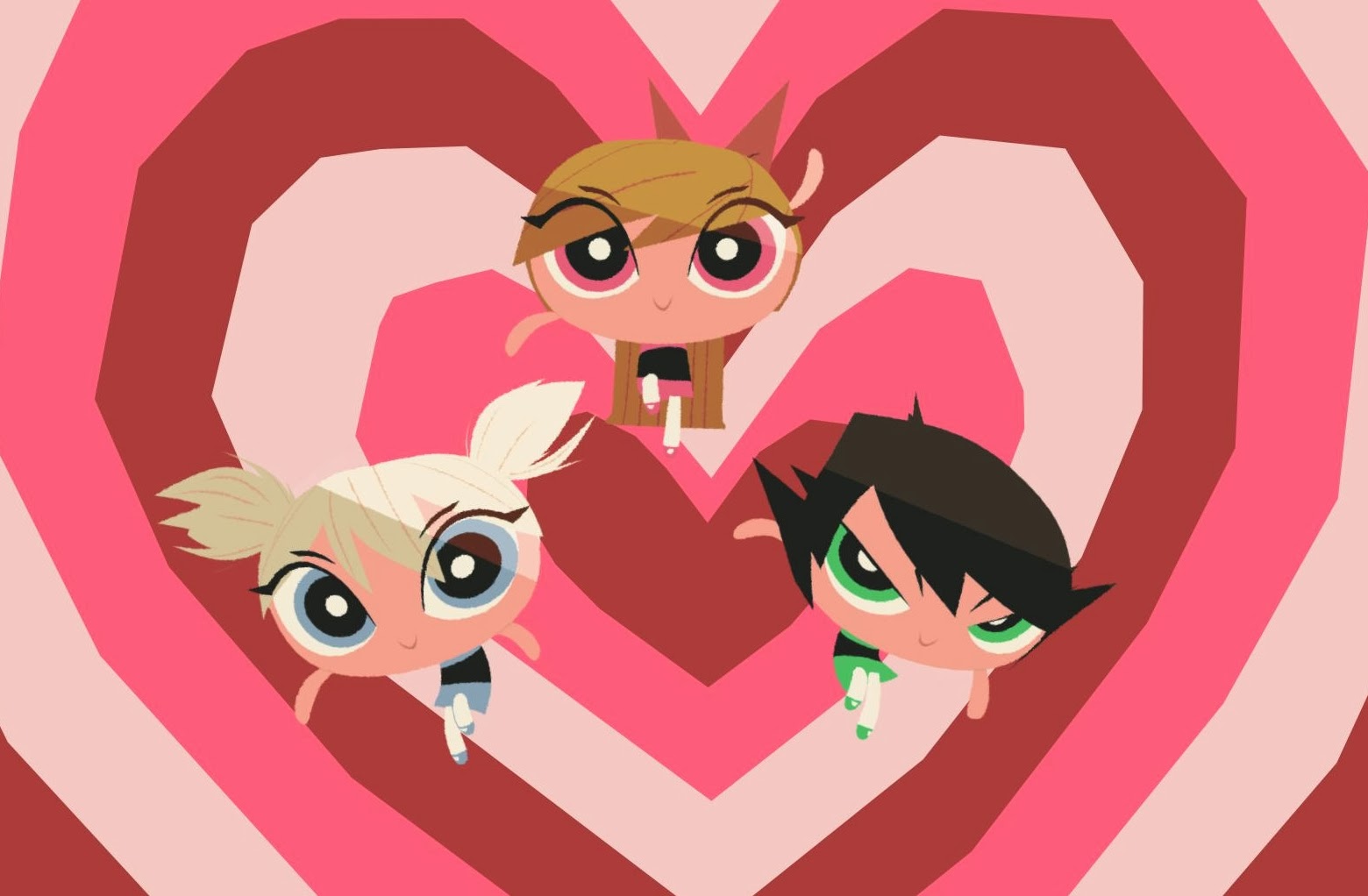
With The Powerpuff Girls being in the spotlight once again this past week — for good and for bad — it seems like as good a time as any to point out a little linguistic oddity specific to the show.
If I asked you what the protagonists’ names had in common, you’d probably point out that they all start with “B” — Blossom, Bubbles and Buttercup. And if I asked you what else these names had in common, you’d probably point out that the three names all happen to be common nouns — blossoms and bubbles and buttercups can all be objects separately from being these characters. But if I asked you what third quality all three of these names shared, I’d imagine not everyone would realize that all three also have internal doubled consonants — the double “s” in “Blossom,” the double “b” in “Bubbles” and finally the double “t” in “Buttercup.” It’s kind of hard to spot, since we tend to pay more attention to the beginning and endings of words than to whatever is in the middle, but here’s why I think this was something the show’s creators realized: the two candidates we have for Powerpuff Girl No. 4 have double consonants too.
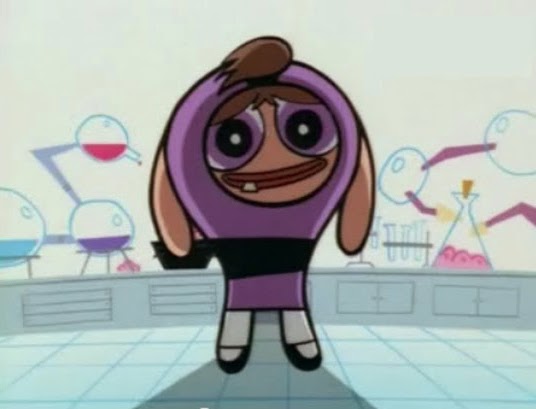
There’s an episode where the girls attempt to create a fourth sister using the same scientific process that created them, only they do it wrong, and the resulting girl is… different. She gets named “Bunny.” Later, she explodes.
See, poor Bunny is missing out on the “everything nice” part of the equation.
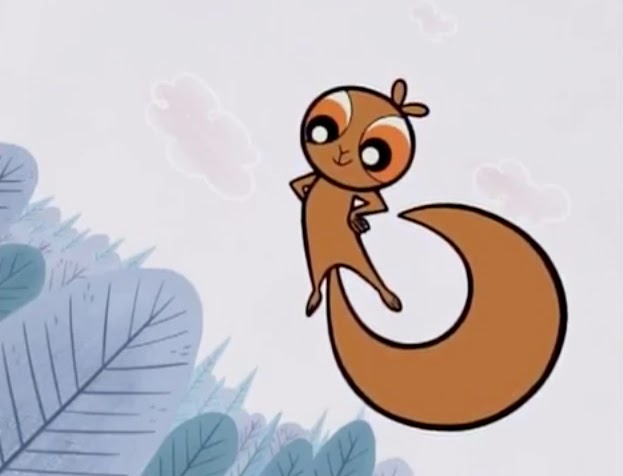
And there’s an episode where the girls get a Chemical X-empowered pet squirrel. They name her “Bullet.”
So that’s it. There’s no great meaning here, just a hard-to-spot trend and a reason to remind people that The Powerpuff Girls existed and we should be happy that it was as smart as it was. Double internal consonants — who even thinks of that?
If I asked you what the protagonists’ names had in common, you’d probably point out that they all start with “B” — Blossom, Bubbles and Buttercup. And if I asked you what else these names had in common, you’d probably point out that the three names all happen to be common nouns — blossoms and bubbles and buttercups can all be objects separately from being these characters. But if I asked you what third quality all three of these names shared, I’d imagine not everyone would realize that all three also have internal doubled consonants — the double “s” in “Blossom,” the double “b” in “Bubbles” and finally the double “t” in “Buttercup.” It’s kind of hard to spot, since we tend to pay more attention to the beginning and endings of words than to whatever is in the middle, but here’s why I think this was something the show’s creators realized: the two candidates we have for Powerpuff Girl No. 4 have double consonants too.
There’s an episode where the girls attempt to create a fourth sister using the same scientific process that created them, only they do it wrong, and the resulting girl is… different. She gets named “Bunny.” Later, she explodes.
See, poor Bunny is missing out on the “everything nice” part of the equation.
And there’s an episode where the girls get a Chemical X-empowered pet squirrel. They name her “Bullet.”
So that’s it. There’s no great meaning here, just a hard-to-spot trend and a reason to remind people that The Powerpuff Girls existed and we should be happy that it was as smart as it was. Double internal consonants — who even thinks of that?
Read more:
all things verbal,
cartoons,
names,
the powerpuff girls,
tv
Tuesday, January 21, 2014
Wicked Women of Literature / Heroines of Saturday Morning
We’ll get to this lady in a second, after a brief but related detour through academia. Promise.
If there’s one thing that I remember about The Faerie Queene, it’s the length. This sixteenth-century epic happens to be one of the longest poems in the English language. That’s not exactly an achievement, in the way that growing the world’s longest fingernails is a thing, yeah, in one sense, but on a more practical level, no one wants to see that. Cut your fingernails, you weirdo.
If there’s a second thing I remember about The Faerie Queene when my college literature class slogged through it, it would be my surprise at how soul-crushingly boring someone could make a sprawling epic about knights and maidens and sorceresses and dragons. You’d think it would rock. It emphatically does not. Edmund Spenser wrote the whole thing as a mash note to both Queen Elizabeth — whose stand-in in the poem is the title character, Queen Gloriana — as well as to Protestantism, and there’s something mean and deceitful in using adventure stories as a ruse for teaching Christian morality. (“Hey, wait a minute! This apparently fun thing is actually about Jesus! Everyone, they’re trying to teach us religion!”) I remember my eyes crossing as a I tried to differentiate one allegorical character from another — at one point, you meet three knights named Sansfoy, Sansjoy and Sansloy, or Faithless, Joyless and Lawless — and too many of the women have cutesy-cute, on-the-button-nose names that all smooshed into a pink blob in my brain — among them, Fidessa, Fraelissa, Duessa, Belphoebe, Amoretta, Florimell, Hellenore, Mirabella, Abessa and Pastorella.
And if there’s a third thing that I take away from The Faerie Queene, it’s the essay I had to write for the in-class midterm. As an English major, I found these offensive even in classes where I gave a damn about the reading material. We should have been asked to go home and slave over a ten- or twenty-page essay, not scrawl down ideas in a blue book without time to polish the writing in the way we’ve been taught to do. Regardless, I picked the essay topic that had us write on female villains in The Faerie Queene. I jotted down some ideas about how Spenser used the character Malecasta (literally “badly chaste,” figuratively “skank box”), and then I handed in the bluebook, happy to end my interactions with stupid Edmund Spenser and his adventures with the Protestant Jesus.
When I got the graded blue book back in class, I saw that I got partial credit on the essay. I went over my T.A.’s notes — a checkmark here, a “good” there — and then finally a sentence written at the bottom that read more or less like this: “Good points, well-reasoned, but you really needed to give the character’s proper name. I think you meant MALECASTA but you put CASTASPELLA. She’s from She-Ra.”
The T.A. was right. I had written “Castaspella” in every spot where I had meant to write “Malecasta.” I was pissed.
I think I threw that blue book away immediately after, but now I wish I’d framed it, as a testament to the fact that Edmund Spenser may have wasted weeks of my time, but he still couldn’t make a dent in what childhood cartoons had done to my brain.
That’s… a victory, right?
“Prisoners of Beast Island” > The Faerie Queene. Filmation > Edmund Spenser. There, I said it.
If there’s one thing that I remember about The Faerie Queene, it’s the length. This sixteenth-century epic happens to be one of the longest poems in the English language. That’s not exactly an achievement, in the way that growing the world’s longest fingernails is a thing, yeah, in one sense, but on a more practical level, no one wants to see that. Cut your fingernails, you weirdo.
If there’s a second thing I remember about The Faerie Queene when my college literature class slogged through it, it would be my surprise at how soul-crushingly boring someone could make a sprawling epic about knights and maidens and sorceresses and dragons. You’d think it would rock. It emphatically does not. Edmund Spenser wrote the whole thing as a mash note to both Queen Elizabeth — whose stand-in in the poem is the title character, Queen Gloriana — as well as to Protestantism, and there’s something mean and deceitful in using adventure stories as a ruse for teaching Christian morality. (“Hey, wait a minute! This apparently fun thing is actually about Jesus! Everyone, they’re trying to teach us religion!”) I remember my eyes crossing as a I tried to differentiate one allegorical character from another — at one point, you meet three knights named Sansfoy, Sansjoy and Sansloy, or Faithless, Joyless and Lawless — and too many of the women have cutesy-cute, on-the-button-nose names that all smooshed into a pink blob in my brain — among them, Fidessa, Fraelissa, Duessa, Belphoebe, Amoretta, Florimell, Hellenore, Mirabella, Abessa and Pastorella.
And if there’s a third thing that I take away from The Faerie Queene, it’s the essay I had to write for the in-class midterm. As an English major, I found these offensive even in classes where I gave a damn about the reading material. We should have been asked to go home and slave over a ten- or twenty-page essay, not scrawl down ideas in a blue book without time to polish the writing in the way we’ve been taught to do. Regardless, I picked the essay topic that had us write on female villains in The Faerie Queene. I jotted down some ideas about how Spenser used the character Malecasta (literally “badly chaste,” figuratively “skank box”), and then I handed in the bluebook, happy to end my interactions with stupid Edmund Spenser and his adventures with the Protestant Jesus.
When I got the graded blue book back in class, I saw that I got partial credit on the essay. I went over my T.A.’s notes — a checkmark here, a “good” there — and then finally a sentence written at the bottom that read more or less like this: “Good points, well-reasoned, but you really needed to give the character’s proper name. I think you meant MALECASTA but you put CASTASPELLA. She’s from She-Ra.”
The T.A. was right. I had written “Castaspella” in every spot where I had meant to write “Malecasta.” I was pissed.
I think I threw that blue book away immediately after, but now I wish I’d framed it, as a testament to the fact that Edmund Spenser may have wasted weeks of my time, but he still couldn’t make a dent in what childhood cartoons had done to my brain.
That’s… a victory, right?
“Prisoners of Beast Island” > The Faerie Queene. Filmation > Edmund Spenser. There, I said it.
Read more:
all things verbal,
cartoons,
names,
she-ra,
what do you do with a BA in english?
Tuesday, January 14, 2014
Playwrights, Playwrites and Playrights
I’ve always thought the word playwright looked wrong. If playwrights write plays, then shouldn’t they be playwrites, in the style of bootblacks and shopkeeps and milksops and tosspots?
After years of wondering, I finally looked it up, and no, you idiot, it shouldn’t be playwrite because that second syllable actually comes from the Old English wryhta, “worker.” It’s the same syllable that you see in profession names such as cartwright, wheelwright and wainwright — or wagon worker, wagon wheel worker and different kind of wagon worker, in order. I’m just now sure how playwright got lumped in with the “building something” and “doing something” professions, unless William Shakespeare’s career necessitated more elbow grease than I’d been led to believe.
But there you go — playwright not playwrite. You clod.
Playright, though. There’s something there. It’s too cute not to be used for something.
Pointless word wonderings, previously:
After years of wondering, I finally looked it up, and no, you idiot, it shouldn’t be playwrite because that second syllable actually comes from the Old English wryhta, “worker.” It’s the same syllable that you see in profession names such as cartwright, wheelwright and wainwright — or wagon worker, wagon wheel worker and different kind of wagon worker, in order. I’m just now sure how playwright got lumped in with the “building something” and “doing something” professions, unless William Shakespeare’s career necessitated more elbow grease than I’d been led to believe.
But there you go — playwright not playwrite. You clod.
Playright, though. There’s something there. It’s too cute not to be used for something.
Pointless word wonderings, previously:
Read more:
all things verbal,
etymology
Saturday, December 14, 2013
Just Dripping With Creativity
Today I learned the subtext of the word seminal. It’s semen. Yep, just like it sounds.
Years spent around the endless praise of arts journalists may have warped my thinking, but I feel like when people use the word today, they’re most often using it in the context of creativity — a seminal book is one so original that it prompts the existence of later works. But even that use — planting a metaphorical seed — goes back to the primary definition listed in Merriam-Webster: “of, relating to or consisting of seed or semen,” as in seminal vesicles. Etymonline says that the generative sense of the word has been in use since at least the 1630s.
So remember: The next time someone refers to a book or album or film or artwork as being seminal, you’re not only allowed but encouraged to ask whether this thing is generative or just covered in semen. If someone objects, just explain, “Hey, there’s thing called etymology, you clod.”
While we’re on the subject, is there any way that Donna Summer’s seminal 1980 dance track “Hot Stuff” is also the other kind of seminal as well? If you haven’t listened to it recently, do so, give the lyrics a once-over and then ask yourself just what kind of hot stuff she’s looking for.
Suggested topic of conversation for dinner parties: “Hey, can anyone guess why the disco anthem ‘Hot Stuff’ is doubly seminal?”
Words that are surprisingly sexual, previously:
Years spent around the endless praise of arts journalists may have warped my thinking, but I feel like when people use the word today, they’re most often using it in the context of creativity — a seminal book is one so original that it prompts the existence of later works. But even that use — planting a metaphorical seed — goes back to the primary definition listed in Merriam-Webster: “of, relating to or consisting of seed or semen,” as in seminal vesicles. Etymonline says that the generative sense of the word has been in use since at least the 1630s.
So remember: The next time someone refers to a book or album or film or artwork as being seminal, you’re not only allowed but encouraged to ask whether this thing is generative or just covered in semen. If someone objects, just explain, “Hey, there’s thing called etymology, you clod.”
![]() |
| via |
Suggested topic of conversation for dinner parties: “Hey, can anyone guess why the disco anthem ‘Hot Stuff’ is doubly seminal?”
Words that are surprisingly sexual, previously:
Read more:
all things verbal,
donna summer,
etymology,
things more or less sexual
Thursday, December 12, 2013
America’s Most Regal Actress
And then I realized that Regina King’s name literally means “queen king.” And that’s fitting, because spending your adolescence in the presence of Jackee and then emerging as the toughest, nailsiest, tough-as-nails cop on Southland means you get to own your regal status.
Oh, and extra cool points for voicing both Huey and Riley on Boondocks, which I didn’t know about until right now.
Read more:
all things verbal,
names,
regina king,
seriously amateur graphic design
Friday, November 22, 2013
Another Twenty Free Movie Titles
To start out this follow-up to “Twenty Free Movie Titles” and “Twenty More Free Movie Titles,” I’d like to express my great disappointment that the title I wanted to kick this list off turned out to be a real movie. Yes, they actually made a movie called I Dismember Mama, and while it’s not a more horrific re-telling of I Remember Mama (mine was), it did beat me to the punch with that title.
Here are the other nineteen, plus one I just made up on the spot to replace I Dismember Mama.
It’s a Two-Way Street... of Terror
Vlad the Impala
Broken English & Shattered Femurs
One Long Splapfight
The Disappointing Adventures of Lazy Susan
Wandalust
Midwife Crisis
The Wrath of Connie Sellecca
They Cried “Hogwash!”
Not Until My Farts Get Better
(Working title: Doctor’s Orders)
The Revenge of Mister Meter Maid
Phenomanal
Matrimayhem
Uh Oh! No More Grandmas!
Auntie Christ
Stab Until There’s Nothing Left!
Huggy the Misunderstood Snake
Hats Dropping, Pants Popping
Duck Duck DEATH!
The Adventures of Bi-dra, the Bisexual Hyrda
Read more:
all things verbal,
movies,
movies i say should exist,
the lists
Subscribe to:
Posts (Atom)