Pages

Monday, January 27, 2014

The Purples and Greens of Supervillainy

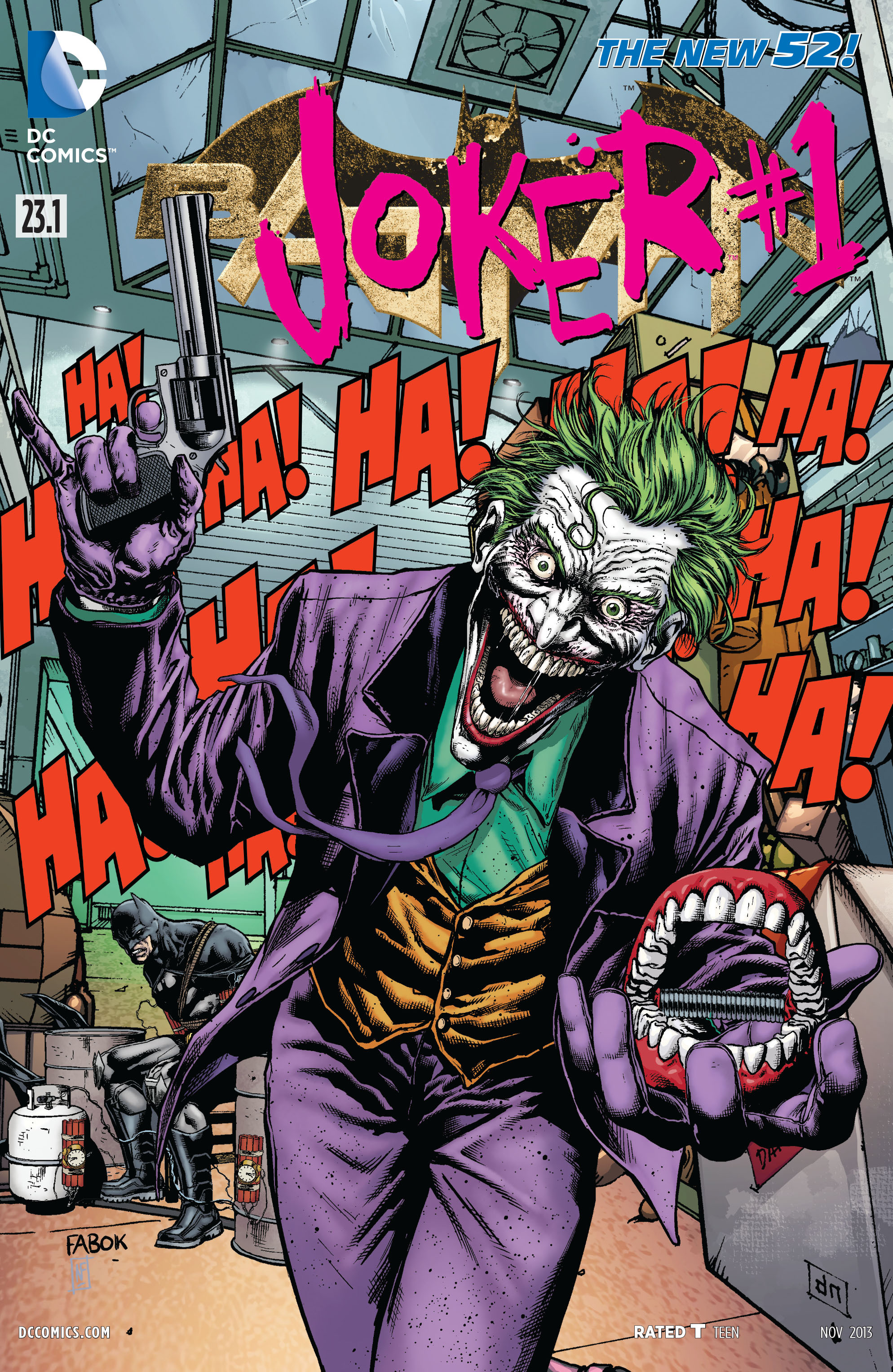
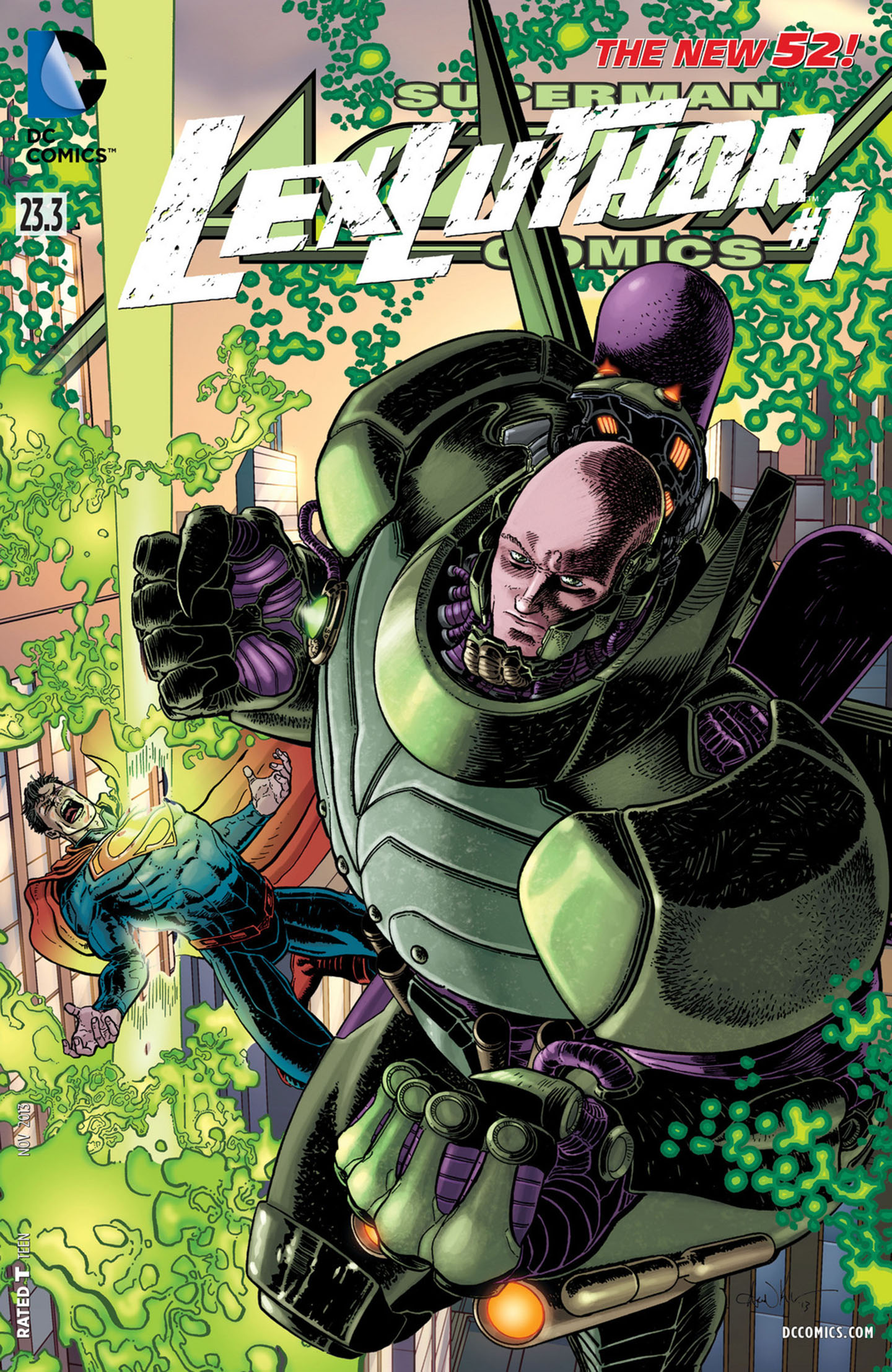
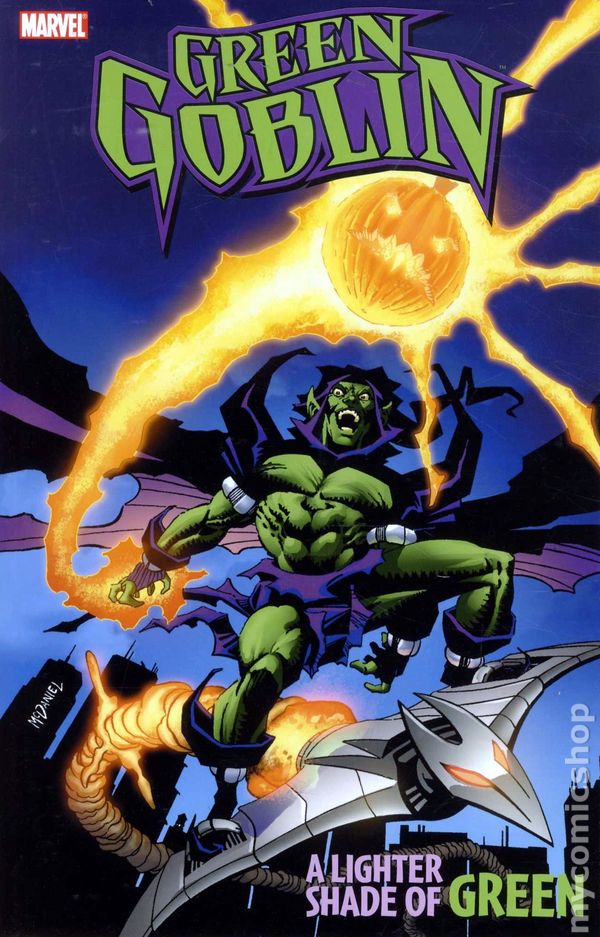
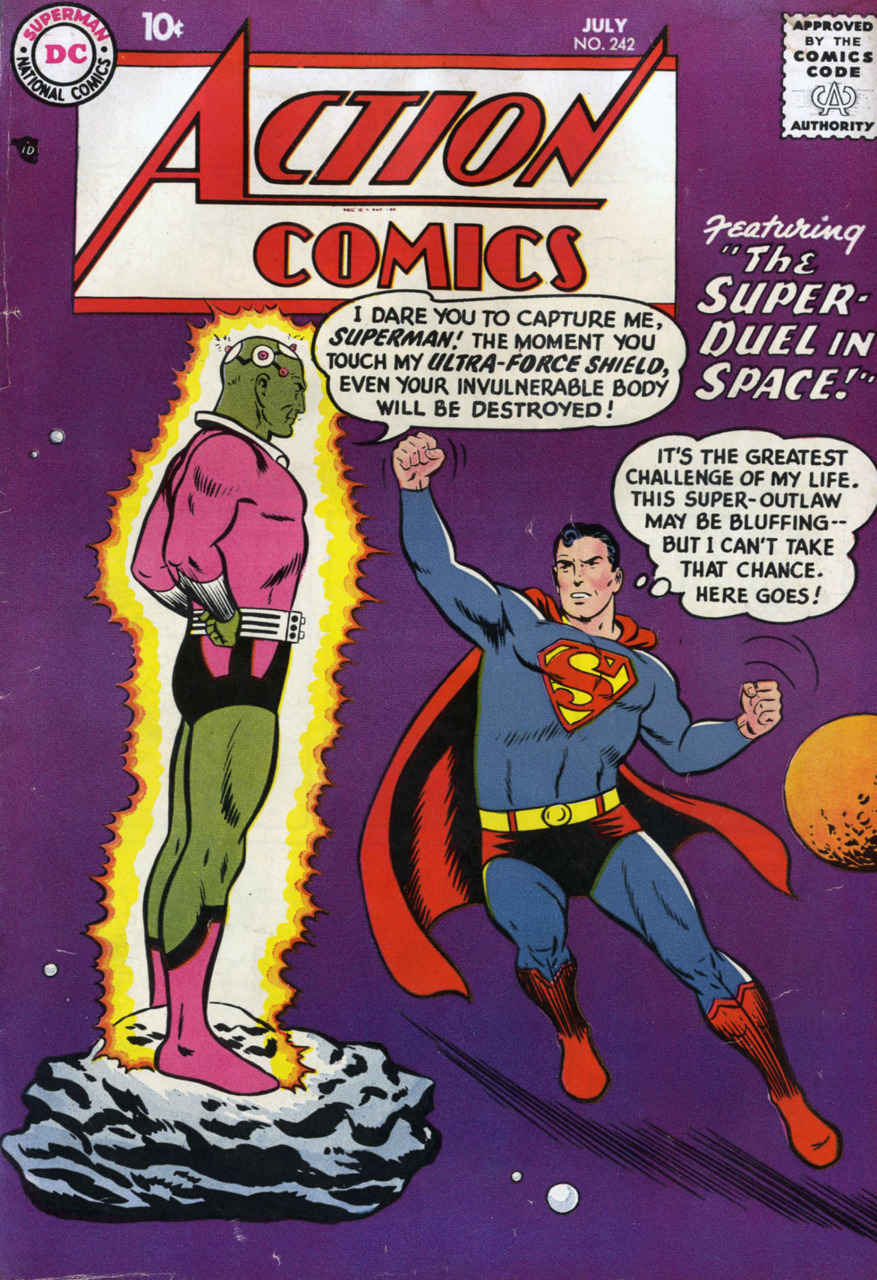
I’m not sure what purple and green combine to represent in the real world, aside from maybe Mardi Gras, but in the comics world they symbolize evil. I’m not clear why. At least at the beginning, someone probably picked purple and green to contrast against the good guy, and that good guy may well have been Superman, what with his emblematic trio of primary colors. But at some point, purple and green ceased to be a contrast and instead came to represent evil outright — a comic trend that was perpetuated just because it already existed, kind of like the whole double initial thing. Right? Doesn’t that have to be it?

Observe.

The Joker (via)
Lex Luthor (via)
Green Goblin (via)
Old-school Catwoman (via)
Mysterio (via)
The Impossible Man (via)
Brainiac (via
The Lizard (via)
The Riddler (via)
Skrulls, in general (via)
the Marvel version of Morgan le Fay (via)
EDIT: I’ve added a few more, as a results of comments pointing out some purple-green villains that I’d missed.

Firely (in the early days, when he was redundantly called ”Human Firefly” (via)
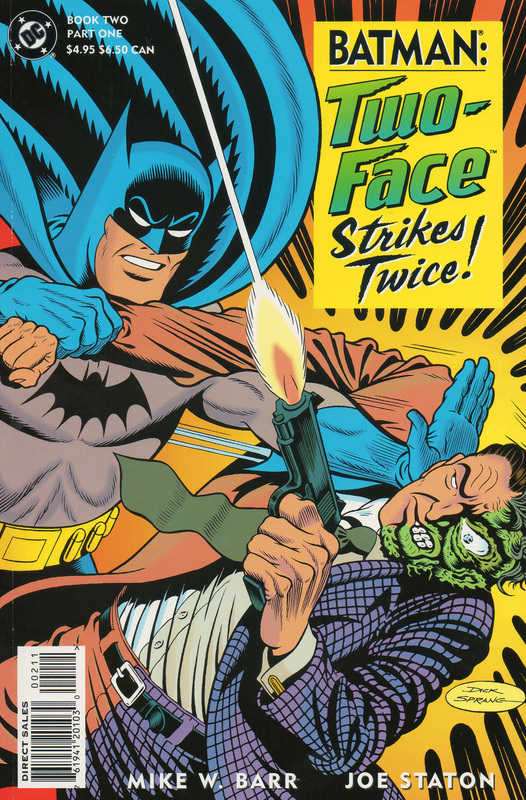
Certain versions of Two-Face (via)
the DC version of Circe (via)
The Beetle (via)
Mesmero, looking entirely too provocative (via)
Kang the Conqueror (via)
Of course, you have to wonder how The Incredible Hulk fits into all this.

(via)
I mean, you have to wonder how The Incredible Hulk fits into his pants in general, but he seems to come from an era and his colors should have signified villainy.

So who have I left out? And who have I overlooked in an effort to prove my theory that there exists an unusual preponderance of purple-and-green-clad bad guys in comic books? And could this support my theory that eggplants, too, are evil?

Superheroes, previously:

Sunday, January 26, 2014

The Core of the Powerpuff Girls

With The Powerpuff Girls being in the spotlight once again this past week — for good and for bad — it seems like as good a time as any to point out a little linguistic oddity specific to the show.


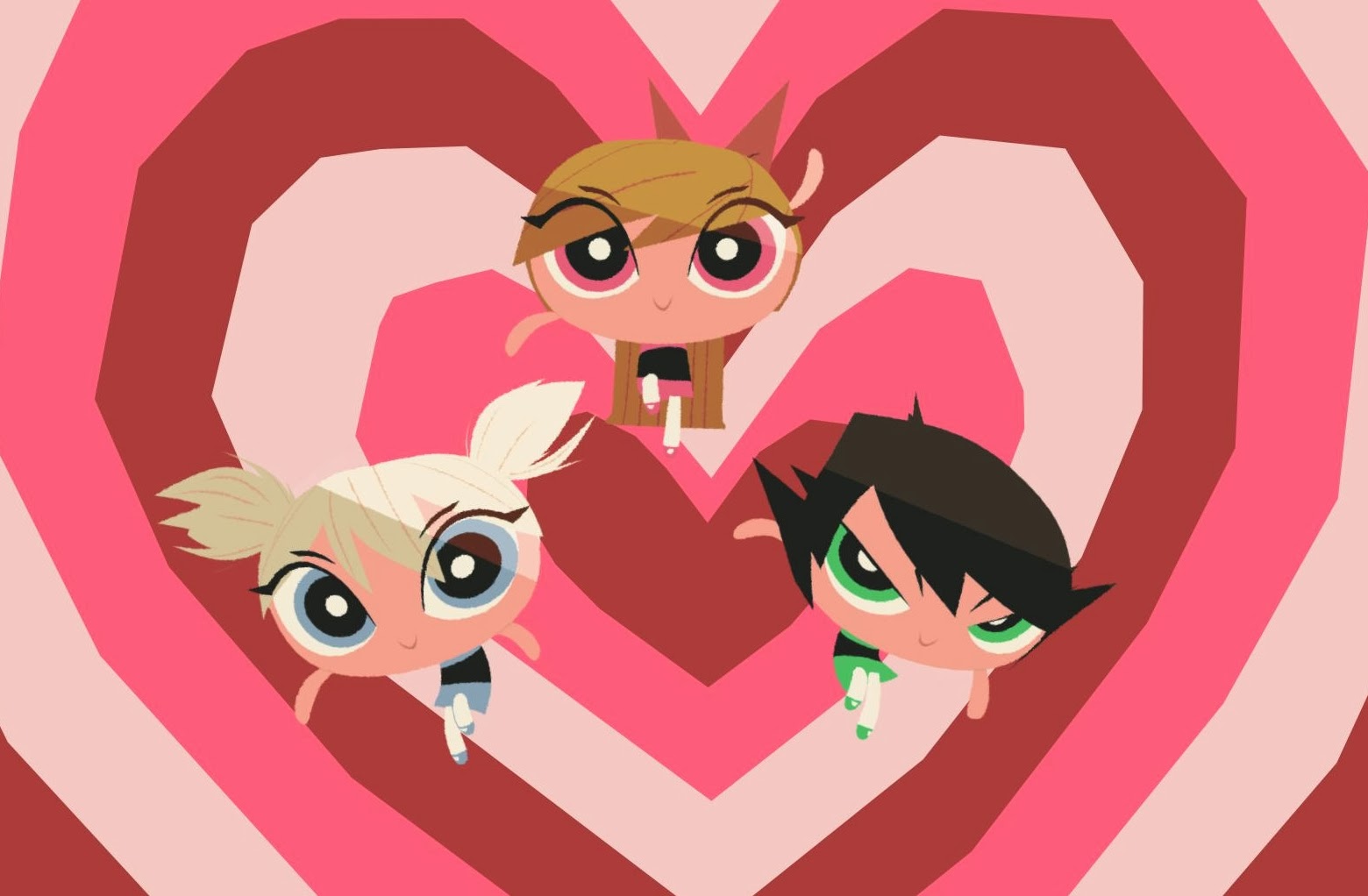
If I asked you what the protagonists’ names had in common, you’d probably point out that they all start with “B” — Blossom, Bubbles and Buttercup. And if I asked you what else these names had in common, you’d probably point out that the three names all happen to be common nouns — blossoms and bubbles and buttercups can all be objects separately from being these characters. But if I asked you what third quality all three of these names shared, I’d imagine not everyone would realize that all three also have internal doubled consonants — the double “s” in “Blossom,” the double “b” in “Bubbles” and finally the double “t” in “Buttercup.” It’s kind of hard to spot, since we tend to pay more attention to the beginning and endings of words than to whatever is in the middle, but here’s why I think this was something the show’s creators realized: the two candidates we have for Powerpuff Girl No. 4 have double consonants too.

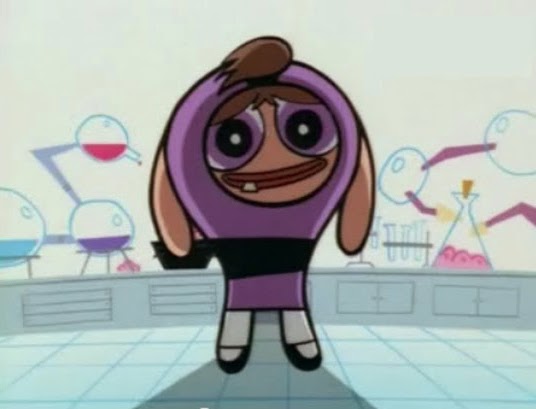
There’s an episode where the girls attempt to create a fourth sister using the same scientific process that created them, only they do it wrong, and the resulting girl is… different. She gets named “Bunny.” Later, she explodes.


See, poor Bunny is missing out on the “everything nice” part of the equation.

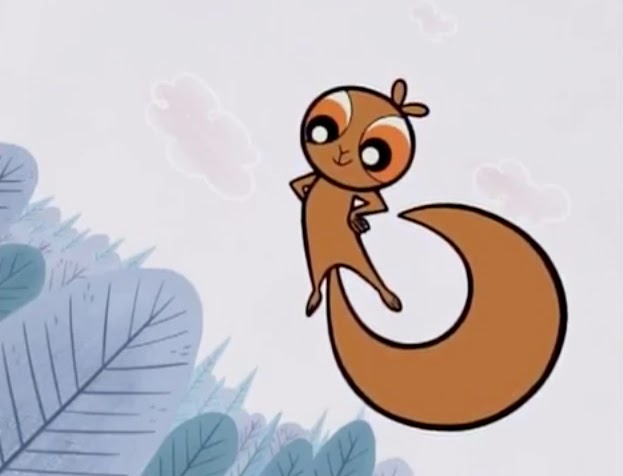
And there’s an episode where the girls get a Chemical X-empowered pet squirrel. They name her “Bullet.”


So that’s it. There’s no great meaning here, just a hard-to-spot trend and a reason to remind people that The Powerpuff Girls existed and we should be happy that it was as smart as it was. Double internal consonants — who even thinks of that?

You Are What You Ride

The innuendo possibilities here are endless, but they begin and end with this fellow’s finely trimmed mustache.


And that’s before you even consider the how Photoshop can come into play here.

Image via.

Saturday, January 25, 2014

When It Goes Away, I’ll Dig a Hole

Hey, remember when the soundtrack to Scream 2 featured a track by Sugar Ray that was in every way making fun of Weezer? Or at least imitating Weezer’s sound to the best of their ability? And it was even titled “Rivers,” in case you didn’t make the connection on your own?


And also it’s kind of a better Weezer song than most actual Weezer songs?

Yeah, the ’90s were weird.

Friday, January 24, 2014

It Was Luigi in the Dining Room With the Vacuum Cleaner

There’s a certain thing that happens online among video game-oriented people, where someone posts a clip of some game music that everyone has heard a billion times and says “OMG, this song is *TOTALLY* this OTHER SONG! #ripoff” It happens often, and I've been guilty of it too in the past, but after reading enough responses from people who better understand music — “No, this is a standard chord progression,” “No, this is an established musical trope,” “No, your two years of piano lessons do not give you the authority to decree this Final Fantasy music as a ripoff” — has prompted me to state these similarities more in the context of “Hey, this thing is like this other thing. Isn't that neat?”

And it’s with that very notion that I present to you this clip from the 1985 film Clue, with gentle encouragement to listen to the music that plays at the exact moment the eight main characters split up to explore the mansion.


If you’re like me and Nintendo still plays an unusually large role in your life, then that music might just sound familiar -- in both tone and context.


Above is the main theme from the beta version of Luigi's Mansion, Nintendo’s 2001 title that had Luigi cautiously sneaking around a spooky mansion. (For comparison's sake, here’s the final version of the theme.) He was looking for ghosts, not murderers like the Clue kids were, but I think the music sounds strikingly similar, especially considering the context. (The Luigi’s Mansion soundtrack consists almost entirely of different variations on that same melody. If there’s one where the instrumentation sounds more like the Clue soundtrack, I’m all ears.) I’m not saying “OMG ripoff,” of course. After all, what other musical cues would you consider for a scene in which characters explore a spooky mansion on a dark and stormy night? I just enjoy this little similarity between two pop culture entities that I wouldn’t have linked before, and I'm curious to know if anyone else hears the resemblance.

Myself, I don’t think I could watch this part of Clue now and not think of Luigi’s Mansion. All this via a tweet by Brad O'Farrell that sparked my interest.

Also of note: Guile’s Street Fighter II theme and The Square’s 1984 track “Travelers” (via), and the Super Mario Bros. 2 overworld theme and this version of “Smoke Rings.”

Video games and pop music, previously:

Wednesday, January 22, 2014

Mr. Dangles

There’s a dead green bug hanging in the middle of my living room, at the end of single cobweb string that doesn’t seem to connect to any larger web that I can spot. It had to be documented, I understood, but the slightest breeze makes it flitter about and spin, so it’s hard to photograph.

These are my three best attempts.


I like the way his li’l dead antennae stand straight up.  I’ll continue so long as Mr. Dangles remains a-dangling.

While we’re on the subject, what kind of bug is he?

Tuesday, January 21, 2014

Wicked Women of Literature / Heroines of Saturday Morning

We’ll get to this lady in a second, after a brief but related detour through academia. Promise.


If there’s one thing that I remember about The Faerie Queene, it’s the length. This sixteenth-century epic happens to be one of the longest poems in the English language. That’s not exactly an achievement, in the way that growing the world’s longest fingernails is a thing, yeah, in one sense, but on a more practical level, no one wants to see that. Cut your fingernails, you weirdo.

If there’s a second thing I remember about The Faerie Queene when my college literature class slogged through it, it would be my surprise at how soul-crushingly boring someone could make a sprawling epic about knights and maidens and sorceresses and dragons. You’d think it would rock. It emphatically does not. Edmund Spenser wrote the whole thing as a mash note to both Queen Elizabeth — whose stand-in in the poem is the title character, Queen Gloriana — as well as to Protestantism, and there’s something mean and deceitful in using adventure stories as a ruse for teaching Christian morality. (“Hey, wait a minute! This apparently fun thing is actually about Jesus! Everyone, they’re trying to teach us religion!”) I remember my eyes crossing as a I tried to differentiate one allegorical character from another — at one point, you meet three knights named Sansfoy, Sansjoy and Sansloy, or Faithless, Joyless and Lawless — and too many of the women have cutesy-cute, on-the-button-nose names that all smooshed into a pink blob in my brain — among them, Fidessa, Fraelissa, Duessa, Belphoebe, Amoretta, Florimell, Hellenore, Mirabella, Abessa and Pastorella.

And if there’s a third thing that I take away from The Faerie Queene, it’s the essay I had to write for the in-class midterm. As an English major, I found these offensive even in classes where I gave a damn about the reading material. We should have been asked to go home and slave over a ten- or twenty-page essay, not scrawl down ideas in a blue book without time to polish the writing in the way we’ve been taught to do. Regardless, I picked the essay topic that had us write on female villains in The Faerie Queene. I jotted down some ideas about how Spenser used the character Malecasta (literally “badly chaste,” figuratively “skank box”), and then I handed in the bluebook, happy to end my interactions with stupid Edmund Spenser and his adventures with the Protestant Jesus.

When I got the graded blue book back in class, I saw that I got partial credit on the essay. I went over my T.A.’s notes — a checkmark here, a “good” there — and then finally a sentence written at the bottom that read more or less like this: “Good points, well-reasoned, but you really needed to give the character’s proper name. I think you meant MALECASTA but you put CASTASPELLA. She’s from She-Ra.”

The T.A. was right. I had written “Castaspella” in every spot where I had meant to write “Malecasta.” I was pissed.

I think I threw that blue book away immediately after, but now I wish I’d framed it, as a testament to the fact that Edmund Spenser may have wasted weeks of my time, but he still couldn’t make a dent in what childhood cartoons had done to my brain.

That’s… a victory, right?


“Prisoners of Beast Island” > The Faerie Queene. Filmation > Edmund Spenser. There, I said it.