NOTE:
Since so many people are finding this post my searching for the phrase "Moesko Island" — nearly fifty a day, by the count of Freestats.com — I thought I'd drop links to two other "Ring"-related posts that you might not find otherwise: "Spreading It Like Sickness" and "Rewind, Rewound."So I'm writing a review for the "Ring" sequel for Brenna to run in
Artsweek this week. I didn't hate it as much as I thought I might. Sequels generally disappoint, and while I think I could have lived happily without seeing this film, it didn't bastardize the original. It seems like the people behind "The Ring Two" actually understood the original, even if they did break the rule of Samara only showing up by popping out of TV sets when some unlucky fucker's seven days are up.
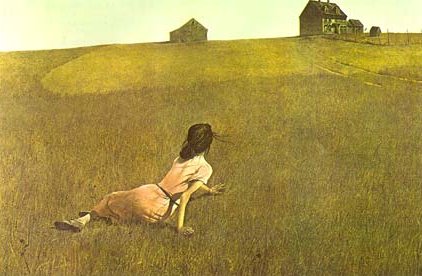
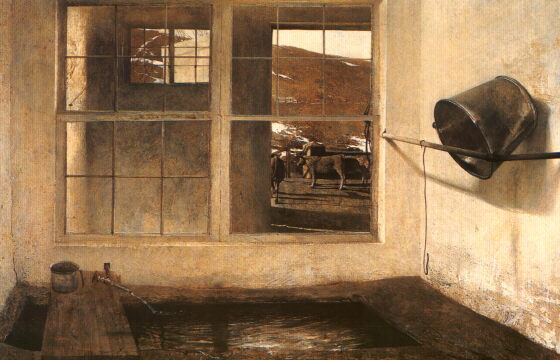
Most anyone who knows me knows I really liked "The Ring," even if a lot of people didn't care for it much. It genuinely scared me and I find it hard to believe it only got a PG-13, even with its lack of gore or raunch. In the neverending fight against writer's block, I re-watched the original when I got home from work. Whether or not you thought the movie worked, I think it's beautiful. The look of it — this gray-blue haze, like some low-lying rainstorm. IMDb says Gore Verbinski looked to the paintings of Andrew Wyeth for visual inspiration, and you can really see it. There's something crisp and cold and vaguely lonely about these and I get that from the movie. (See
Christina's World,
Wind from the Sea and
Fed, all by Wyeth.)
Anyway, watching it again, I realized that aside from being a neat little horror mystery, this movie has a theme of art and creativity and creation in it. All the main characters are make things that could be considered art, in one way or another. Rachel, the Naomi Watts character, is a newspaper reporter and a writer. It's her propensity for words that drives the film's central investigation. I know a news story isn't generally considered art, but it's definitely a creative process — and one that ultimately leads to her survival. Journalism versus Evil: Round One, as bygone
Artsweek editor DJ Fatkid headlined my review for
the original two years ago. Rachel's ex-husband, Noah, is a photographer. Before he finally believes Rachel's story about a cursed video tape, he uses his camera to conduct his own little investigation. The creepy son is a little artist too. In his first scene, he's drawing a morbid little picture with crayons. He keeps doing this throughout the movie, and one of his doodles eventually provides a pivotal clue for Rachel.
And then we have Samara. Oh Samara, the little dickens who re-affirmed my general fear of children, dead or not. In the movie, we learn that Samara had freaky psychic powers, even before she died. She could create images on negatives just by thinking about them. She burned a perfect image of a burning tree into the wall of her bedroom. And she, after all, is the one who put the images on that damned video tape together. (You could also say that Samara is a bit of a sculptor, too — whatever the fuck she does to people sure leaves their corpses in a memorably horrifying state.)
The most interesting artist figure, I guess, would have to be the film's director himself. Not Gore Verbinski himself — though "The Ring" sure springboarded him to bigger and better things — but the idea of a director — the director as an abstract figure. "The Ring" suggests that a film is so powerful that it actually can kill a person — make them feel an emotion so profoundly that it overrides every other bodily impulse and shuts the whole system down. When Samara emerges from the TV to kill one of her viewers, it's like the person has gotten so into the movie that the lines between art and life completely disappears. They let the art in, and when Samara reconfigures their corpse into some horrible death posture, they become art themselves.
Maybe I'm overthinking this, but it got to me, this movie. It did before. It does now.
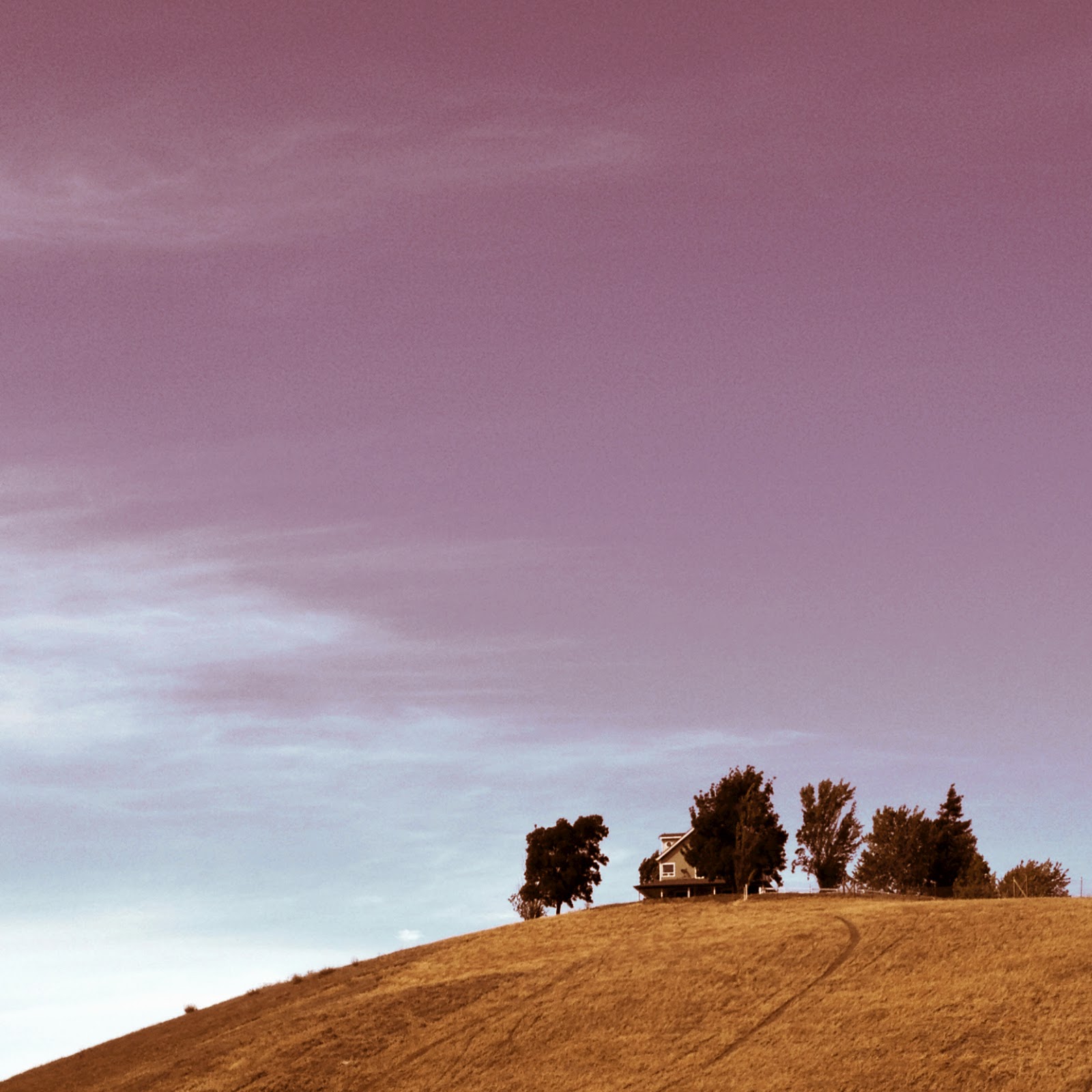
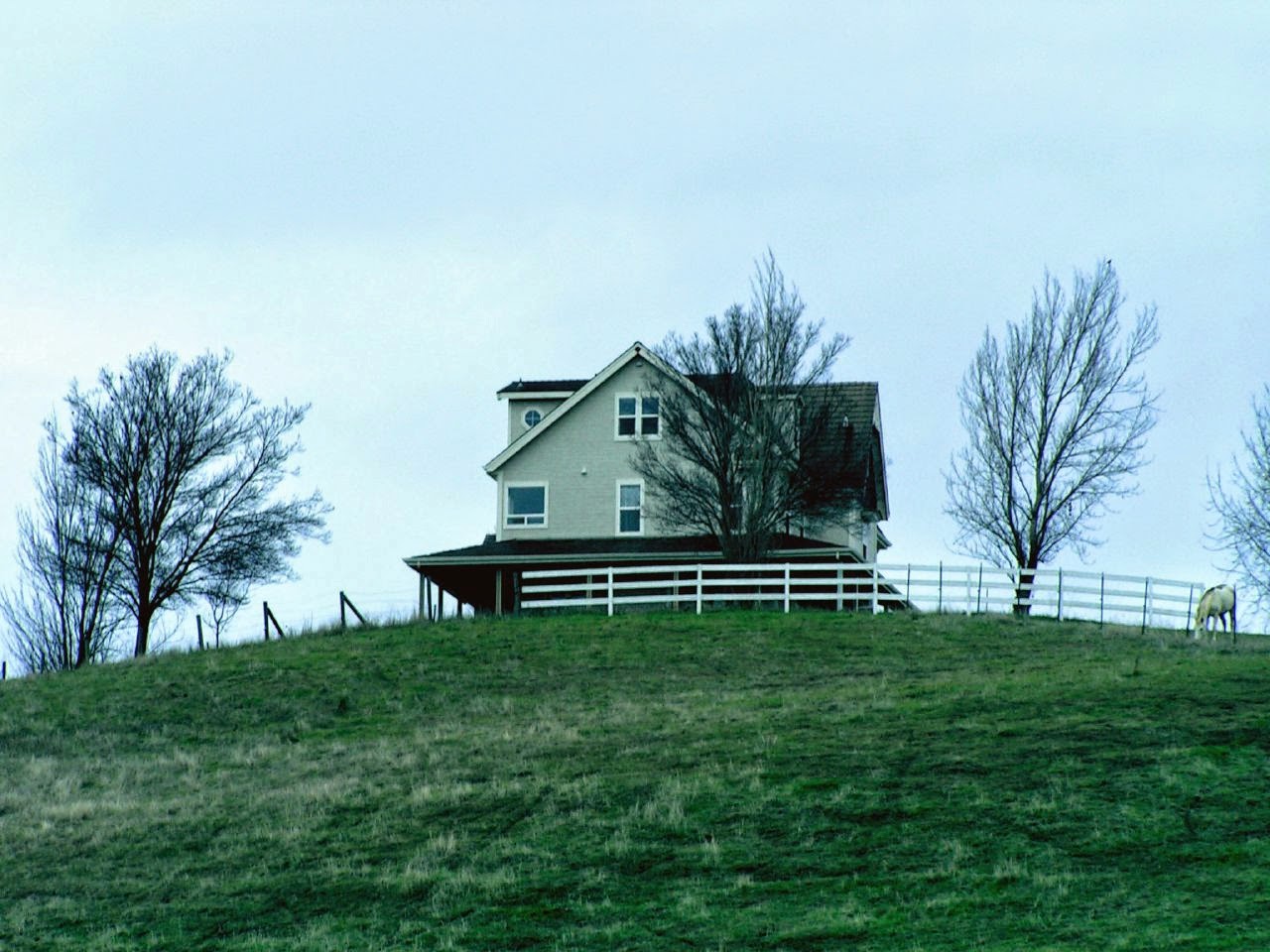
By the way, here's the first picture I ever took with my digital. Last Christmas, I drove out to the edge of where I lived and snapped some shots of this creepy area where people's area stops and it turns into countryside. They always reminded me of "The Ring." Just a little bit.